Flight attendants have asked passengers to stop touching, poking, grabbing, or pinching them to get their attention during flights.
While many travelers may see a quick tap on the shoulder as harmless, cabin crew members say it happens so often that it has become one of their biggest workplace frustrations.
Several veteran flight attendants recently spoke out about the issue, explaining that there are safer and more respectful ways for passengers to ask for help.
- Veteran flight attendants are pleading with passengers to stop touching, poking, grabbing, or pinching them to get their attention during flights.
- Cabin crew members emphasize that unwanted physical contact is a major industry-wide frustration and that passengers should instead use call buttons or verbal cues.
- While some travelers defend a gentle shoulder tap as harmless, etiquette experts agree that touching staff violates personal space and basic travel etiquette.
The discussion also sparked debate online, with travelers sharing very different opinions about what constitutes acceptable behavior at 35,000 feet.
Flight attendants said passengers constantly poke and grab them during flights
Image credits: Unsplash
The issue was recently discussed on the Jumpseat Chronicles podcast by veteran flight attendants Joshua Boyd, Michelle Montez, and Darion Foy.
According to crew members, unwanted touching has become routine on the job.
“We get poked and touched as flight attendants,” Boyd said.
“It happens so often that if we got paid $1 for it, we would be millionaires.”
Montez, who has worked as a flight attendant for two decades, said the behavior is so common that flights without it are becoming rare.
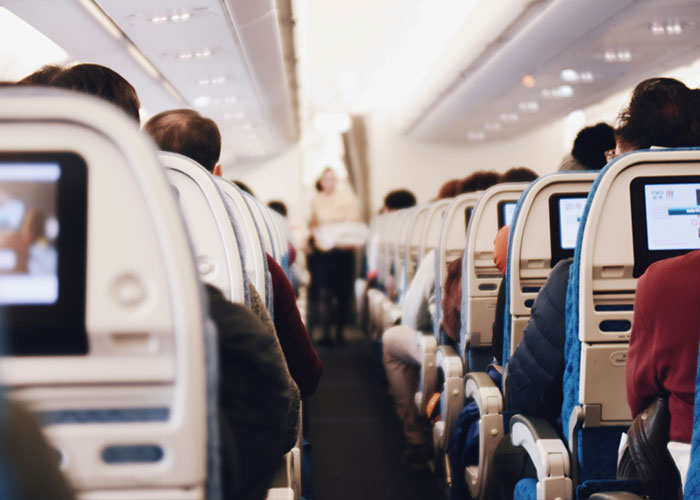
Image credits: Unsplash
“It’s almost a rare occurrence when it doesn’t happen,” she said.
Foy agreed and said the problem affects crew members across the airline industry.
“You can talk to any flight attendant for any airline, and they will all agree that that’s something that we cannot stand and that we deal with so often, it’s insane,” he said.
He also revealed that some passengers have crossed even more serious boundaries.
“I’ve been pinched on the b*tt multiple times,” Foy said.
Crew members also said there is a simple way to get their attention
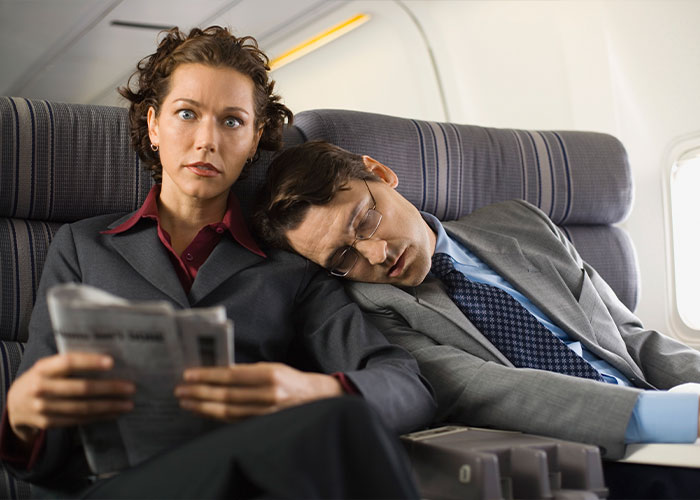
Image credits: Getty
Flight attendants stressed that passengers never need to touch them in order to ask for help.
Instead, they recommended using the overhead call button, making eye contact, waving politely, or simply speaking up.
“Please use the call button or your voice, but please do not touch us,” one flight attendant said during the discussion.
Boyd said he would much rather respond to a call light than have someone grab him while he is working.
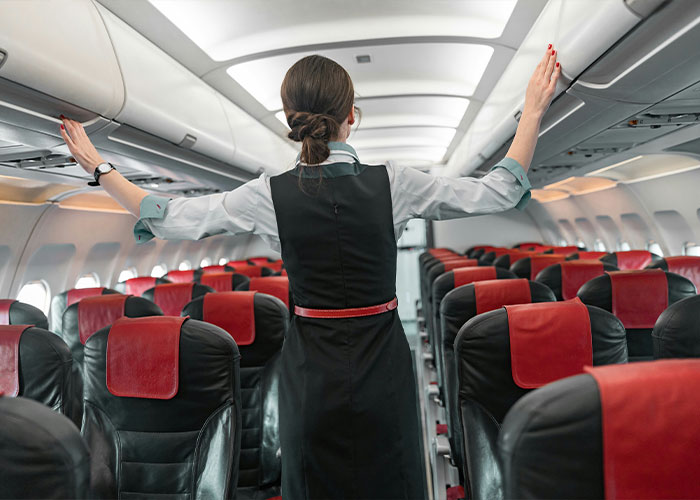
Image credits: Unsplash
“You do not have to touch me,” he said.
“I just want to hear your sweet voice.”
Southwest flight attendant and union leader Sam Wilkins shared a similar view.
“You probably wouldn’t go into a restaurant and poke your waitress,” he told The Washington Post.
Etiquette expert Diane Gottsman also supported the flight attendants.
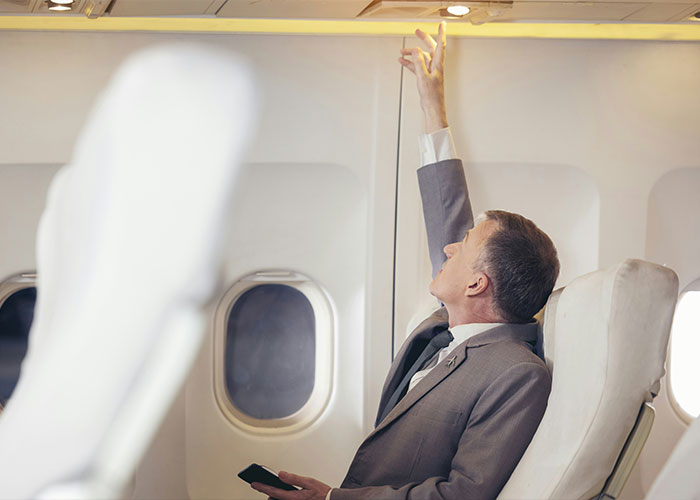
Image credits: Unsplash
“Just as you would not touch the passenger sitting next to you, you do not reach out and touch a flight attendant to get their attention,” she said.
She added that a louder-than-normal “excuse me” is far more appropriate than tapping someone on the arm, shoulder, waist, or any other part of their body.
Flight attendants alleged that unwanted touching can sometimes escalate into more serious incidents
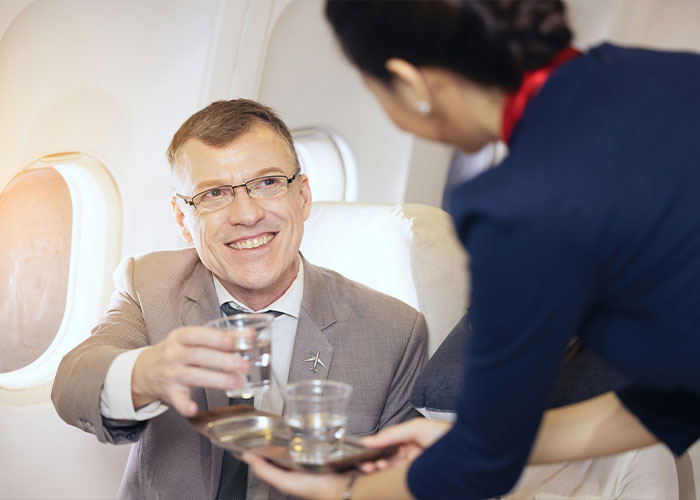
Image credits: Unsplash
While some passengers view a quick tap as harmless, flight attendants said boundary-crossing behavior can sometimes lead to more serious problems.
The issue has become part of a broader discussion about how airline staff are treated while working.
In one widely reported case, a passenger aboard a Russian flight allegedly became aggressive shortly after takeoff and later punched two flight attendants after a dispute involving a cellphone. Fellow passengers eventually helped restrain the woman until the aircraft landed.
Another case involved Ryanair flight attendant Chloe Harrison, who said she was repeatedly harassed by intoxicated soccer fans during a flight from Manchester to Barcelona.
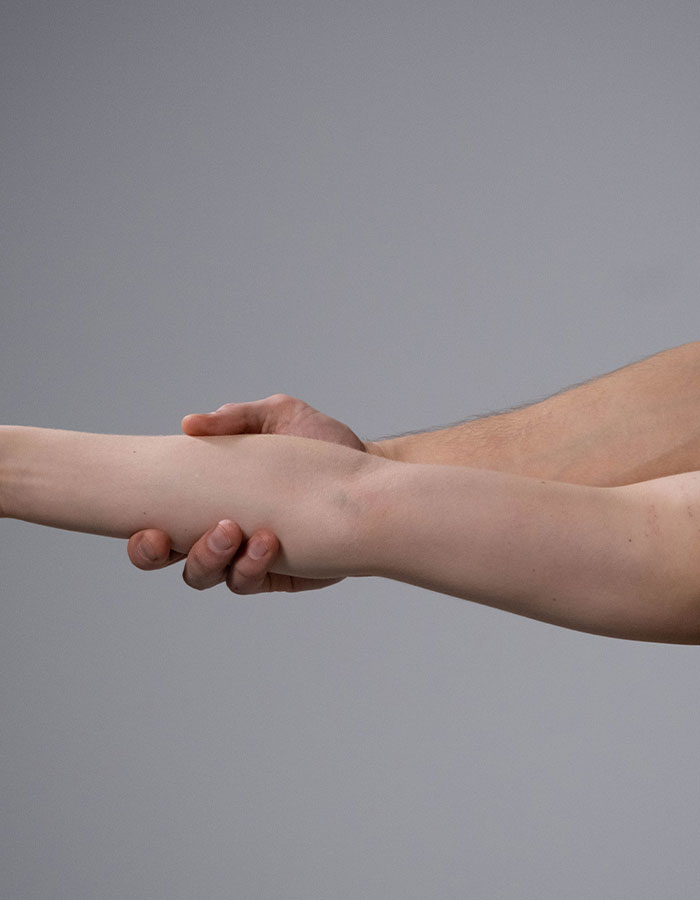
Image credits: Pexels
According to Harrison, passengers shouted vulgar comments at her throughout the flight and repeatedly tried to get her attention.
The behavior became so disruptive that it later went viral on social media after she shared her experience publicly.
For many crew members, these incidents highlight why respecting personal boundaries is important, even when passengers believe they are merely asking for assistance.
Travelers were divided on whether a tap on the shoulder is acceptable
@jumpseatchroniclepodcast Stop touching your flight attendants! #NoPoking#Jumpseatchroniclespodcast@This Brown Girl ♬ original sound – JumpseatChronicles
The discussion quickly spread online, where many travelers sided with the flight attendants.
“Plane ride etiquette 101… If the passenger needs a flight attendant, they press the attendant button above their head. That’s it, that’s all, done!” one person wrote.
Another commenter added, “Gross behavior.”
Some people pointed out that passengers already have an easy way to request assistance.
“I’d love for this to be in an announcement. If you need our attention, please use the call button or your voice, but please do not touch us,” one Reddit user wrote.
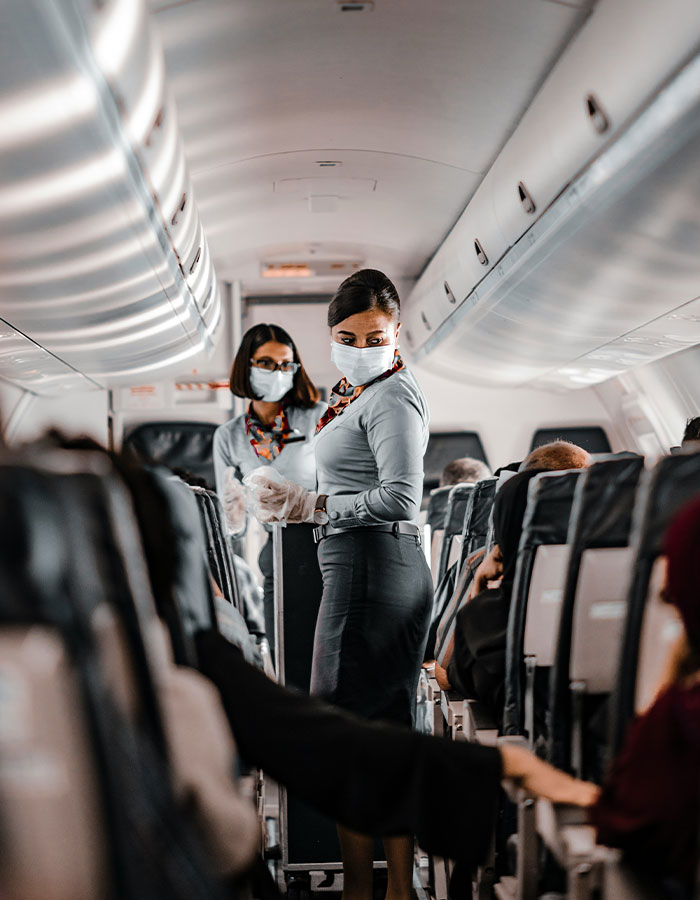
Image credits: Unsplash
Others felt the situation was not always that simple.
“A gentle tap on the shoulder is a pretty common way of getting someone’s attention,” one traveler argued.
Another said, “My ‘excuse me’s definitely fail much more often than they succeed.”
Some commenters blamed the growing lack of space on airplanes for many of these awkward interactions.
“Unfortunately, airlines have cut back so much on space that we are ALL constantly poked while traveling by air,” one person wrote.
“There is the armrest battle, suitcases being flung overhead, poor people seated by the lav… what am I forgetting?”
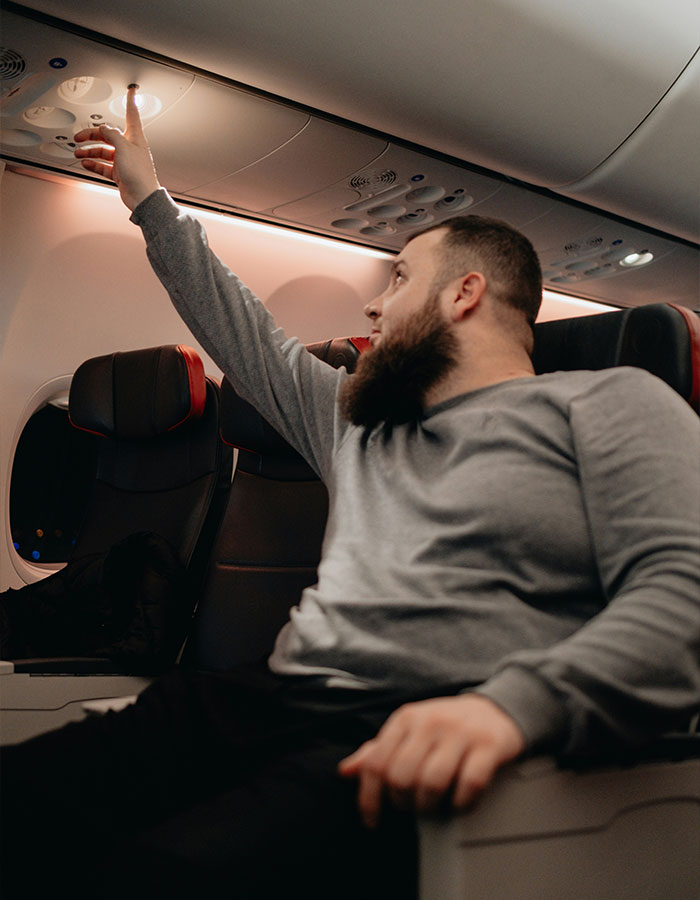
Image credits: Unsplash
Another commenter pushed back against the discussion entirely.
“So what about the flight attendants constantly butting their hips and b*tts into passengers’ arms as they race through the aisles?”
Others used the debate to criticize specific groups of travelers.
“We know exactly who these passengers are. It isn’t middle-aged white people,” one person commented.
Experts said respecting personal space is part of basic travel etiquette
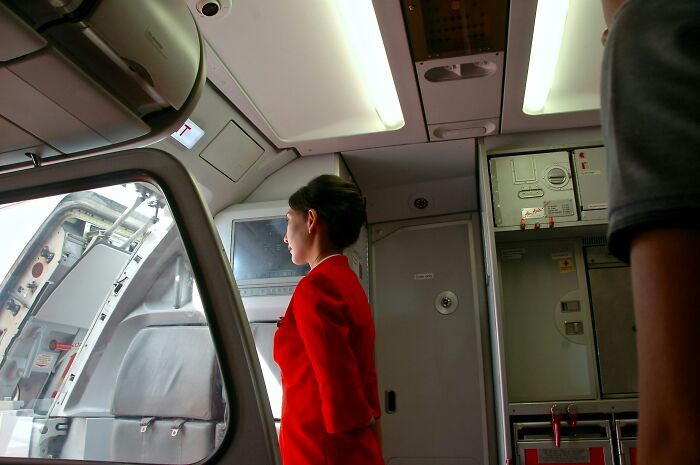
Image credits: Unsplash
According to etiquette experts, passengers may not always realize that flight attendants are often focused on safety-related responsibilities as they move through the cabin.
“Their main focus is the safety of the passengers on the plane,” Gottsman said.
She added that basic manners apply on airplanes just as they do everywhere else.
“Basic etiquette calls for respecting another person’s job and their personal space,” she said.
For flight attendants, the message is simple. Whether passengers need a drink, help with luggage, or assistance during the flight, there is no need for poking, grabbing, or tapping.
The call button is already there for a reason.
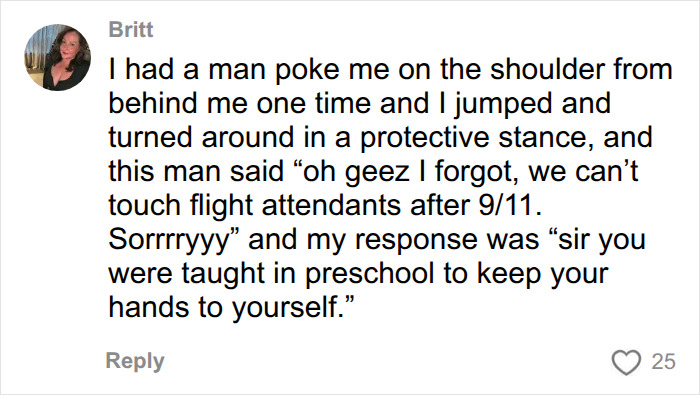
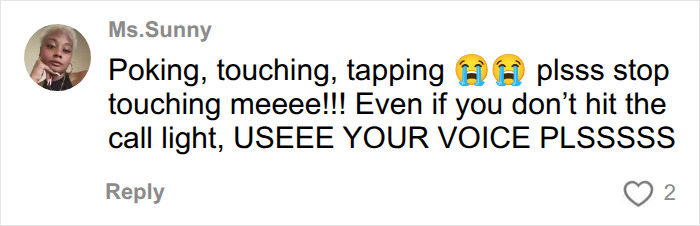
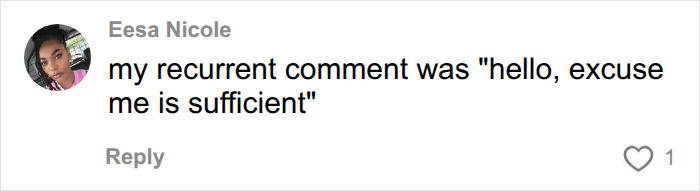
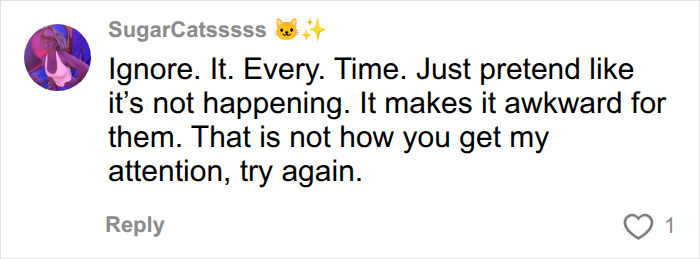
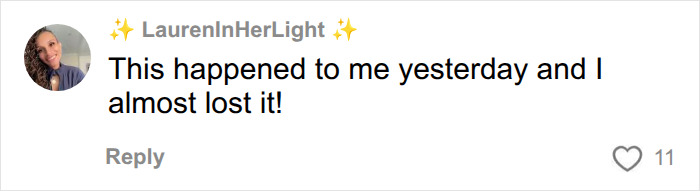
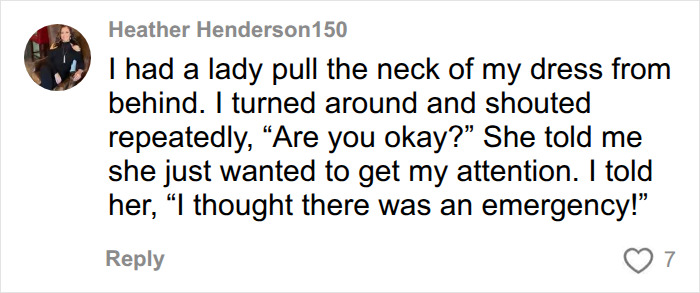
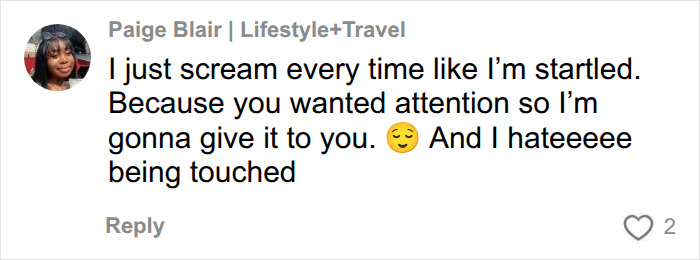
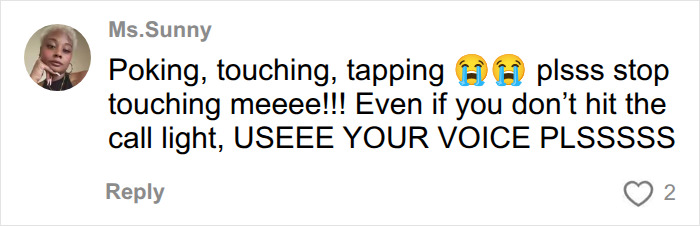
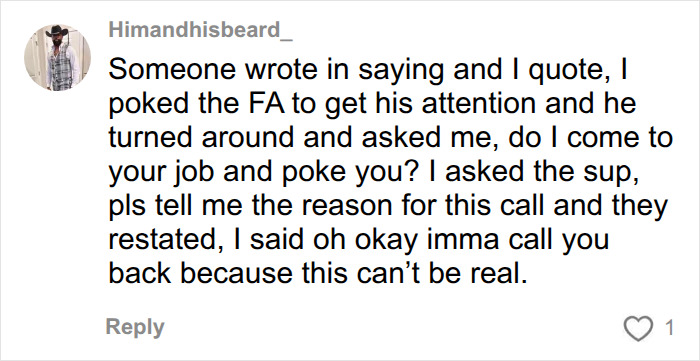
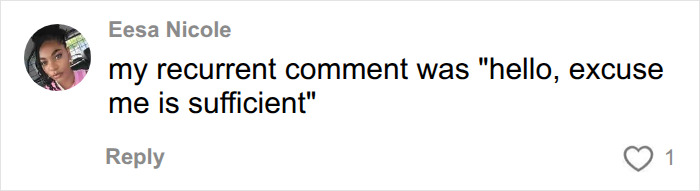
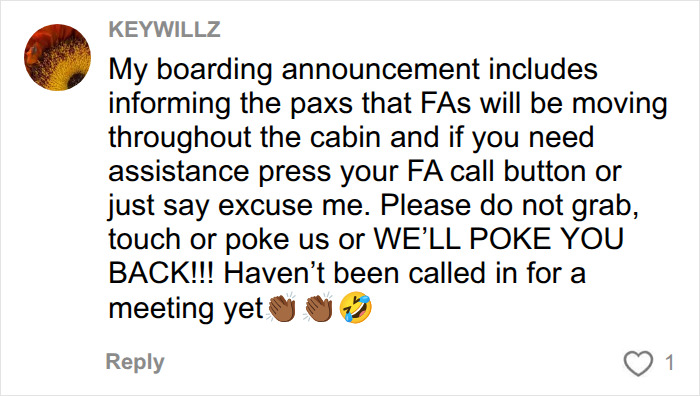
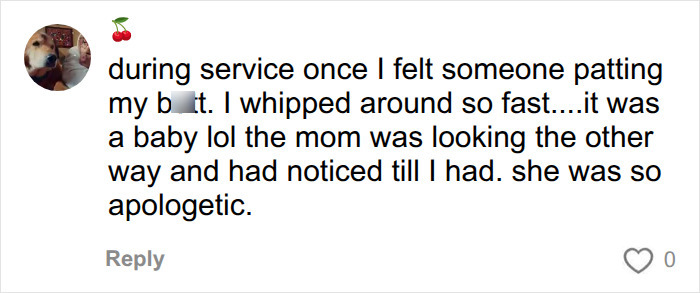
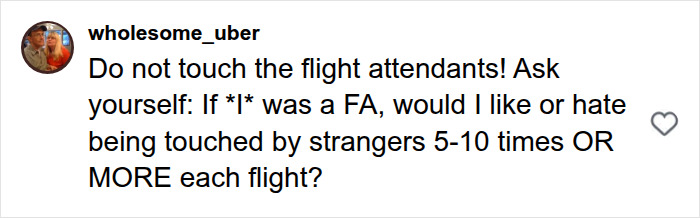
“I crashed out today because of this,” wrote one netizen
















Thanks! Check out the results:
Total votes ·
Newsletter
Subscribe to Access
Exclusive Polls

By entering your email and clicking Subscribe, you’re agreeing to let us send you customized marketing messages about us and our advertising partners. You are also agreeing to our Privacy Policy.
Thank you! You’ve successfully subscribed to newsletters!
PakarPBN
A Private Blog Network (PBN) is a collection of websites that are controlled by a single individual or organization and used primarily to build backlinks to a “money site” in order to influence its ranking in search engines such as Google. The core idea behind a PBN is based on the importance of backlinks in Google’s ranking algorithm. Since Google views backlinks as signals of authority and trust, some website owners attempt to artificially create these signals through a controlled network of sites.
In a typical PBN setup, the owner acquires expired or aged domains that already have existing authority, backlinks, and history. These domains are rebuilt with new content and hosted separately, often using different IP addresses, hosting providers, themes, and ownership details to make them appear unrelated. Within the content published on these sites, links are strategically placed that point to the main website the owner wants to rank higher. By doing this, the owner attempts to pass link equity (also known as “link juice”) from the PBN sites to the target website.
The purpose of a PBN is to give the impression that the target website is naturally earning links from multiple independent sources. If done effectively, this can temporarily improve keyword rankings, increase organic visibility, and drive more traffic from search results.
Comments are closed, but trackbacks and pingbacks are open.